Christmas Cute Giraffe in Winter Cup
A Designer’s First Look: Whimsy That Stitches Well
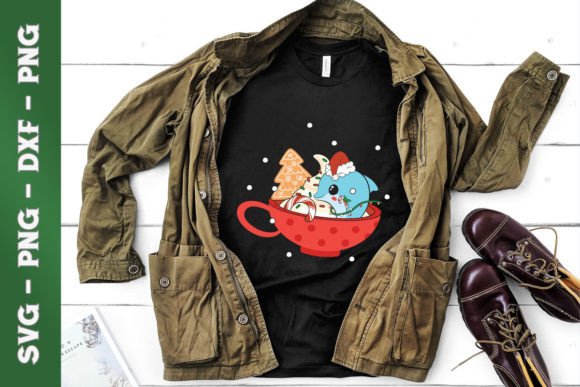
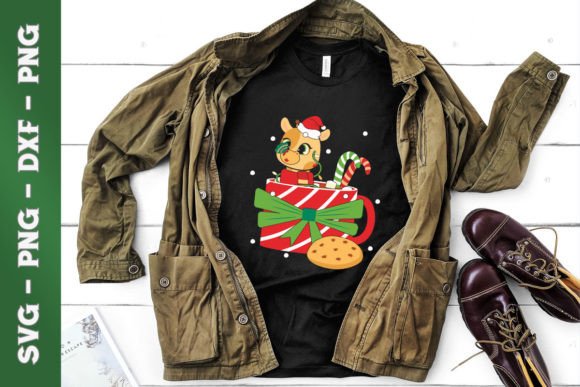
When I opened Christmas Cute Giraffe in Winter Cup for the first time, my instinct wasn’t to click “cut” or “embroider”—it was to hold it up against a real fabric swatch. This isn’t just another holiday graphic; it’s a character-driven embroidery file with clear visual intent: soft charm, gentle humor, and seasonal warmth. The giraffe wears a tiny knitted hat, peers over the rim of a steaming mug, and stands amid subtle snowflakes and minimalist evergreen sprigs. It reads as friendly—not cutesy, not cluttered—and that matters immensely when translating a digital design into a stitched finished product.
Where This Design Lives Best (and Why)
I tested Christmas Cute Giraffe in Winter Cup on a natural linen tea towel, a medium-weight cotton sweatshirt, and a baby onesie—three very different embroidery projects, each revealing something new about the design’s versatility.
- Tote bags and aprons: Its balanced width-to-height ratio holds beautifully on side panels and chest pockets. No awkward cropping needed—even at 3.5" wide, the mug and giraffe remain legible without feeling cramped.
- Baby embroidery and nursery decor: The rounded shapes and open negative space mean fewer dense fill stitch areas—ideal for delicate fabrics and low-stitch-count requirements. Parents appreciate gentle themes like this in handmade baby items.
- Holiday gifts and boutique merchandise: It lands perfectly between playful and polished. A customer buying an embroidered pillow cover for their holiday guest room doesn’t want kitsch—they want personality with intention. Christmas Cute Giraffe in Winter Cup delivers that.
Real-World Stitching Notes You’ll Want Before Hooping
This isn’t a plug-and-play file for every surface. As a designer who ships embroidered goods weekly, I’ve learned that small details make or break client trust—and this design asks for thoughtful execution.
The mug handle and giraffe’s eyelashes are rendered in fine running stitch. On stretchy fabric like jersey or thin cotton, those lines can distort unless stabilized properly. I recommend a lightweight cutaway stabilizer underneath, especially for sweatshirt embroidery or custom apparel where movement is constant.
Dark fabric? Test thread contrast early. The design relies on subtle layering—the steam rising from the cup, the knit texture on the hat—so if your top thread blends too much, you’ll lose its quiet charm. Try matte white or heather gray thread on navy or charcoal for depth without glare.
For embroidered patch use, keep in mind the outer edge isn’t a hard border—it’s softly implied. That means clean edge finishing (like merrowed or heat-seal backing) works better than raw-edge applique unless you’re intentionally going rustic.
What Holds It Back (and When to Skip It)
There are honest limits—and knowing them builds credibility with your customers and your own workflow.
- Small hoop sizes (under 4"): The composition feels slightly tight below 3.2". At 2.75", the mug loses definition and the giraffe’s face reads as a blur—not ideal for caps or hats, where clarity at small scale is non-negotiable.
- Textured or napped fabrics: Fleece, terry cloth, or heavy bouclé can swallow fine satin stitch details. If you’re planning holiday embroidery on plush blankets or sherpa-lined hoodies, simplify first—reduce stitch density manually or choose a bolder alternate design.
- Frequent-wash products: While the stitch layout is sound, avoid using this on items meant for daily laundering (like kids’ lunchbox towels) unless you reinforce high-friction zones—especially the mug’s rim and the giraffe’s hooves—with a light zigzag overlay or underlay stitch.
Design Integrity Meets Commercial Reality
As an Etsy seller and craft business owner, I pay close attention to how a design affects perceived value. Christmas Cute Giraffe in Winter Cup elevates a simple tote bag from “nice” to “thoughtful gift.” Customers notice—and they remember brands that curate cohesive, well-executed design assets. It also translates cleanly into printable mockups: no jagged edges, no pixelation at 300 DPI, and consistent spacing that keeps social media previews looking professional.
But here’s what matters most: it doesn’t scream “digital download.” It feels hand-chosen, hand-placed, hand-finished. That impression builds customer trust—especially for personalized gifts where buyers expect care down to the last stitch.
Your Practical Checklist Before Stitching
- Test Christmas Cute Giraffe in Winter Cup on scrap fabric matching your final project’s weight and stretch.
- Review stitch density in your embroidery software—look for any unusually dense fill areas near the mug base or hat brim.
- Confirm hoop size compatibility; don’t assume it fits your smallest hoop without measuring.
- Inspect small details (eyelashes, steam wisps, knit stitches) at 200% zoom—what looks crisp on screen may vanish mid-stitch.
- Run black-and-white and reversed mockups to assess contrast on both light and dark backgrounds.
- Choose stabilizer based on fabric—not habit. Lightweight cutaway > tear-away for anything with drape or stretch.
- Verify licensing terms before listing finished items for sale—this is a Graphics file intended for Crafts use, but commercial rights vary by seller.
Final Thought: A Design That Earns Its Place
Christmas Cute Giraffe in Winter Cup won’t dominate your holiday catalog—but it might become your most-requested machine embroidery design for custom baby onesies, cozy kitchen bundles, or small-batch boutique collections. It’s not flashy. It’s not oversized. It’s quietly confident in its craft, and that makes it reliable across commercial embroidery, handmade product lines, and even digital embroidery file bundles for fellow designers. In a season full of noise, sometimes the best design decision is the one that stiches true, sells steadily, and leaves your customers smiling—not scrolling past.